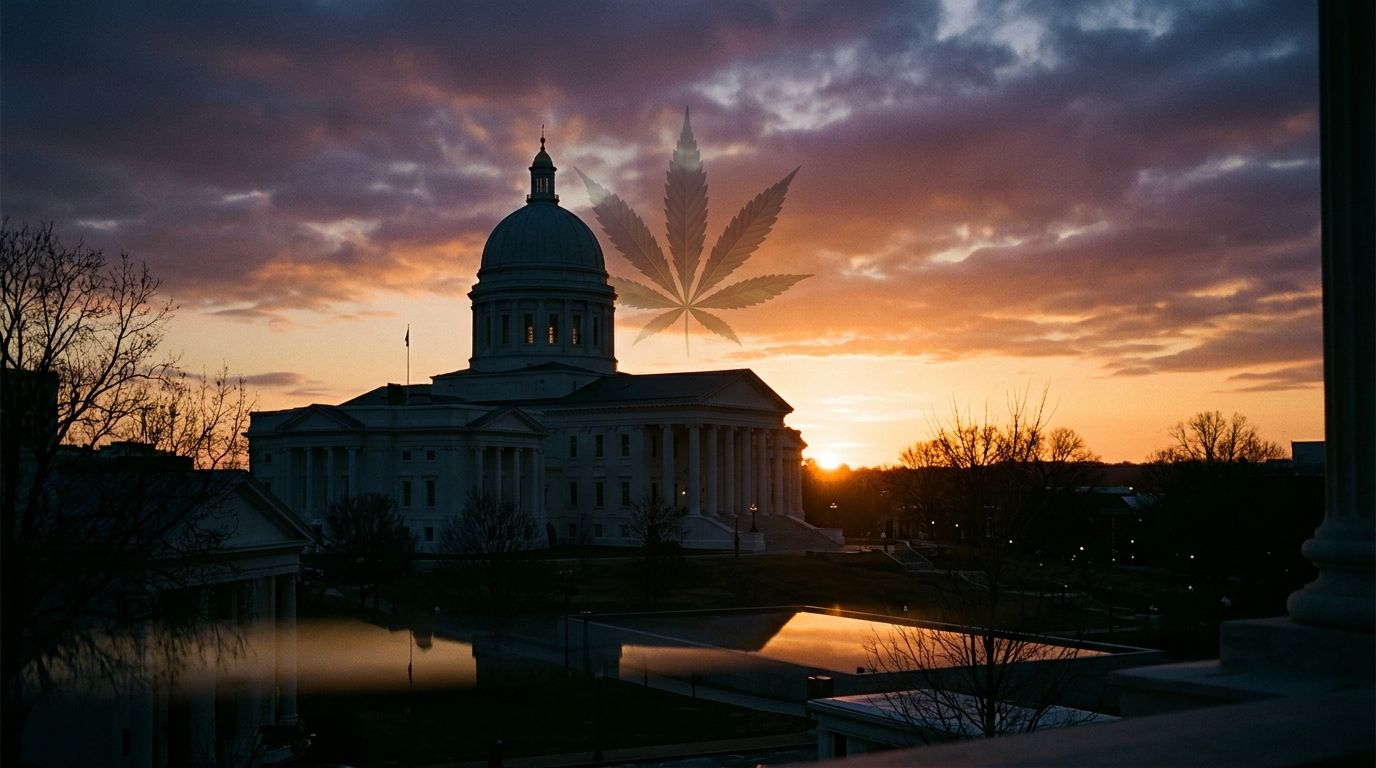
On June 16, 2026, Governor Abigail Spanberger stood alongside Senate patron Lashrecse Aird and House patron Paul Krizek at the Patrick Henry Building in Richmond and announced a deal five years in the making: Virginia would launch regulated retail cannabis sales on July 1, 2027. For home growers and cultivators across the Commonwealth, this changes everything. The illicit market that filled the gap since possession was legalized in 2021 now has a countdown clock. And for anyone serious about growing, the window to source clean, verified genetics is open right now. The Timeline: What Happens When Virginia's path to legal sales has been anything but straightforward. The state legalized possession of up to 1 ounce and home cultivation of 4 plants per household back in 2021 — making it the first Southern state to do so. But retail sales were never implemented. For five years, Virginians could legally possess and grow cannabis but had nowhere legal to buy it. That changes with the June 2026 budget compromise. Here's the roadmap: • Now through August 15, 2026: The 25:1 hemp loophole closes. Products with more than 2mg of total THC per package can no longer be sold as hemp. Regulation of industrial intoxicating hemp transfers from VDACS to the Virginia Cannabis Control Authority (CCA). • February 1, 2027: The CCA begins accepting license applications for retail cannabis establishments. Up to 350 retail licenses will be issued statewide, phased in based on demand and geographic balance. • July 1, 2027: Retail sales begin. Up to 350 licensed dispensaries open across Virginia, from Richmond to Roanoke, Virginia Beach to Arlington. What doesn't change: home cultivation of up to 4 plants per household remains legal. That provision from the 2021 law is untouched by the new framework. The Tax Structure: What Growers Should Know Virginia's cannabis tax model starts deliberately low to help the legal market compete against illicit sellers: • 6% state cannabis excise tax at launch (July 2027) • Increases to 8% after July 2029 — a two-year grace period • Localities can add 1% to 3.5% local tax • Combined with the base 5.3% state sales tax, the total initial rate will be roughly 12.3% to 14.8% Revenue goes to early childcare, K-12 education, behavioral health programs, and the Cannabis Equity Reinvestment Fund. For home growers, the tax only matters if you're buying from dispensaries — your personal cultivation stays tax-free. What This Means for Home Growers Virginia's 4-plant home cultivation limit has been in place since 2021, and the new framework doesn't touch it. But the arrival of a legal retail market changes the cultivation landscape in several important ways: More growers are about to enter the market When retail stores open, awareness goes mainstream. The normalization effect of legal storefronts brings new growers into the fold — people who might have been curious but hesitant when the only option was the illicit market. More growers means more demand for quality genetics. Verified genetics matter more, not less With commercial growers entering Virginia's market and dispensaries establishing quality standards, the bar for what constitutes good flower is rising. Home growers who start with verified, HLVd-tested clones rather than bagseed or unverified cuts will produce better results — and that quality gap will become more visible as the market matures. The first-mover advantage is real The growers who establish their genetics library now — before retail stores open and demand spikes — will be ahead of the wave. Virginia's outdoor growing season runs from roughly mid-April through late October, with Tidewater regions around Virginia Beach and Norfolk often staying frost-free into November. That's a long season, and the growers who have their clones rooted and ready in spring 2027 will harvest before most new entrants even have their tents set up. Virginia's Growing Regions: What Works Where Tidewater / Coastal (Virginia Beach, Norfolk, Chesapeake): Long growing season with high humidity. Pest management is essential. Strains with good mold resistance and airflow characteristics perform best outdoors. The extended fall season means sativa-leaning genetics can finish properly in this region. Piedmont / Central (Richmond, Charlottesville, Lynchburg): Moderate climate with good balance of heat and precipitation. The sweet spot for Virginia cultivation — most genetics perform well here with standard IPM protocols. Indoor and greenhouse growers in this region benefit from stable temperatures. Northern Virginia (Arlington, Alexandria, Fairfax): Dense urban/suburban growing environment. Most cultivation here is indoor or greenhouse due to space constraints. The proximity to DC's established cannabis scene means sophisticated consumers who know what they're looking for. Mountain / Valley (Roanoke, Blacksburg, Shenandoah Valley): Cooler temperatures and higher elevation. Shorter outdoor season but excellent conditions for indoor cultivation. Lower humidity means fewer mold issues but watch for temperature swings. What to Look for in Clones for Virginia Whether you're growing in a Richmond basement tent or a Virginia Beach greenhouse, the fundamentals don't change. What matters: • HLVd testing: Hop Latent Viroid is the single biggest threat to cannabis cultivation, and it's invisible until it's too late. Every clone should come with HLVd-negative documentation. • Pest-free IPM certification: Virginia's humid summers make pest prevention critical. Starting with certified-clean clones eliminates the most common source of infestation. • Breeder provenance: Know exactly what you're growing. A verified clone with documented lineage performs predictably. A mystery cut doesn't. • Strains matched to your setup: Indoor growers in Arlington have different needs than greenhouse growers in Roanoke. Choose genetics that fit your environment, not just what's trending. The Bottom Line Virginia's cannabis market is about to transform. The 5-year gap between legalization of possession and implementation of retail sales created an unusual situation — a state full of cannabis consumers with no legal way to buy. That changes July 1, 2027. For home growers, the opportunity is clear: establish your genetics now, dial in your setup, and be ready when the market opens. For commercial cultivators eyeing Virginia's 350 retail licenses: the application window opens February 2027, and the operators who show up with verified genetics and clean facilities will have the edge. The 2021 law gave Virginians the right to grow. The 2026 compromise gives them a timeline. The rest is up to the growers.
Virginia Cannabis Legalization 2027 — What Home Growers and Cultivators Need to Know
2026-07-09 — Legalization