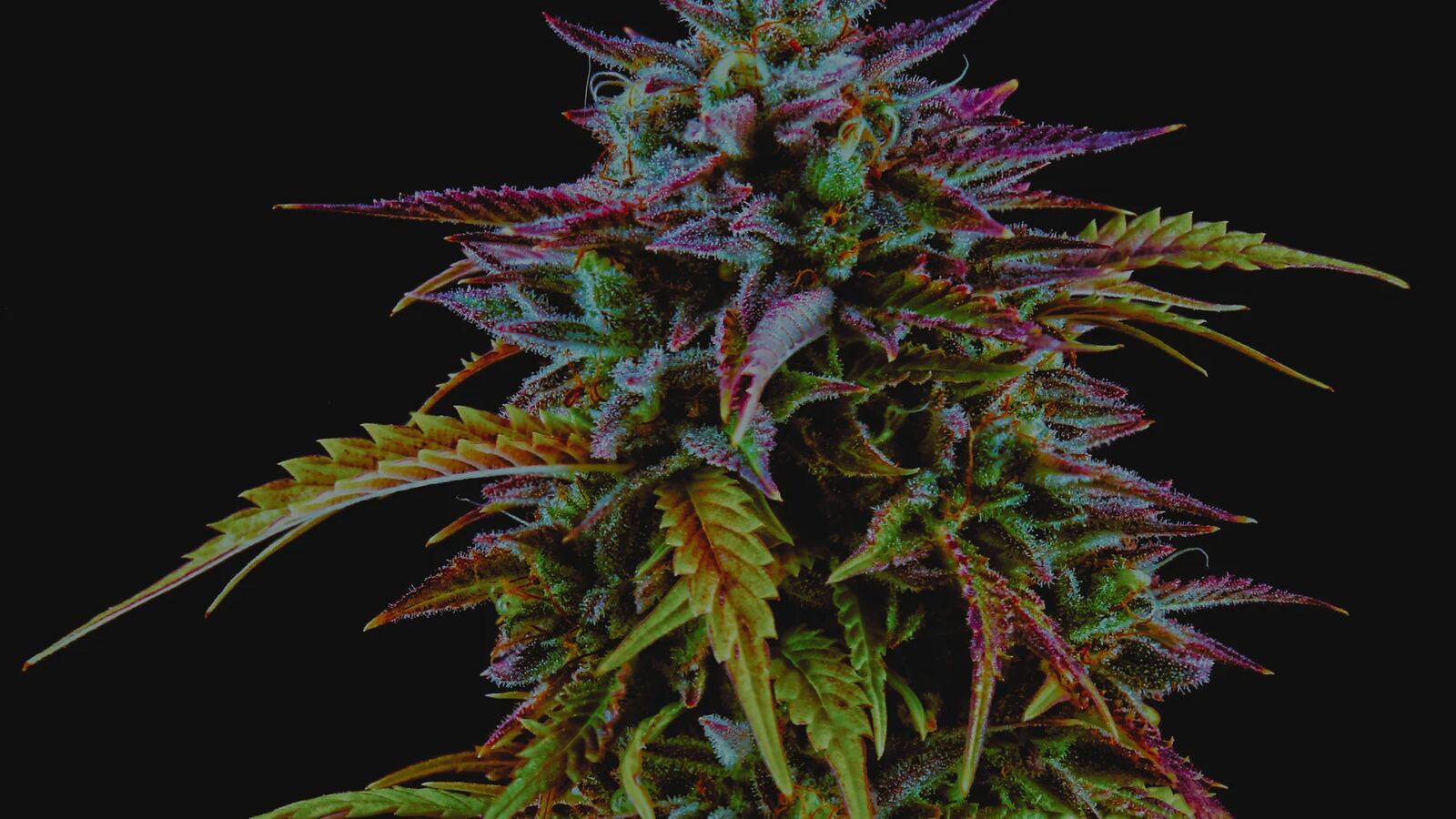
The indica/sativa/hybrid labels you see on clone menus are among the most misunderstood pieces of information in cannabis. Growers and consumers lean on them as shorthand for effects — indica means couchlock, sativa means energy, hybrid means somewhere in between. The truth is more complicated. And for clone buyers, understanding what these terms actually tell you (and what they don't) can mean the difference between a plant that thrives in your setup and one that fights you the whole way. Where the Indica/Sativa Classification Came From The terms were coined in the 18th century by French biologist Jean-Baptiste Lamarck. He observed two distinct types of cannabis: Cannabis sativa, a tall, narrow-leafed plant widespread in Europe, and Cannabis indica, a shorter, broad-leafed plant from India. The names were botanical. They described the plant's physical structure, not its chemical effects. Lamarck wasn't smoking anything — he was classifying plants by how they looked. This is where the confusion starts. For more than two hundred years, the terms described morphology: height, leaf width, internode spacing, flowering time. Sativas grew tall and lanky with thin leaves and long flowering cycles. Indicas stayed short and bushy with wide leaves and finished faster. That's it. The effect-based meanings got layered on much later, mostly by consumers and marketers in the last few decades. If you're curious about how modern genetics have further complicated the picture, our piece on preventing genetic drift in mother plants digs into how clone lines change over time. What the Labels Actually Tell You About the Plant When a clone is labeled indica- or sativa-dominant today, the most reliable thing you can take away is something about its growth structure. A plant with mostly indica ancestry tends to be shorter and stouter, with tighter internode spacing and broader leaves. It usually finishes flowering in 7–9 weeks. A sativa-leaning plant grows taller, stretches more during the first weeks of flower, and can take 10–14 weeks to finish. Its leaves are thinner, its branches more spaced out. In a grow tent, these differences matter a lot. A four-foot sativa in a five-foot tent is a headache. A bushy indica in a humid room without enough airflow is asking for powdery mildew. The label's practical value is mostly horticultural — it helps you plan canopy height, spacing, training strategy, and harvest timing. For more on matching strains to your specific setup, check out best clone strains for home tents where we walk through strain selection for small grows. Where Morphology Breaks Down Here's the problem: nearly every commercially available clone today is a polyhybrid. Decades of crossbreeding have blurred the lines. A strain labeled "indica-dominant" might stretch like a sativa in flower. A "sativa" might finish in eight weeks because someone bred a fast-flowering indica into its lineage three generations back. Relying on the label alone to predict how a plant grows is guesswork. Reputable clone sellers will tell you expected height, stretch ratio, and flower time — that's the information the label is supposed to convey, and honest vendors provide it directly rather than letting you decode it from a category. The Effect Question: It's Chemistry, Not Botany If you're buying clones because you care about the final product — what the buds feel like when consumed — the indica/sativa binary does you almost no good. What determines effects is the plant's chemical profile: its cannabinoid ratios and, most importantly, its terpene expression. A strain labeled indica that's high in limonene and low in myrcene might produce an experience people describe as uplifting. A sativa full of myrcene and caryophyllene might knock someone out. The label doesn't control the chemistry. The specific cut — the clone — does. This is the same reason two clones sold under the same strain name can produce different results, which we covered in our breakdown of clone vs. seed selection. Research has been steadily moving in this direction. A 2021 study published in Nature Plants found that the genetic distinction between indica and sativa has been largely erased by hybridization, and that cannabinoid and terpene profiles are the actual differentiators in consumer experience. Most cannabis on the market today is genetically a mix, regardless of what the menu says. Terpenes: The More Useful Shorthand Terpenes are aromatic compounds that give cannabis its smell — and they modulate how cannabinoids affect the body, a phenomenon called the entourage effect. Myrcene, for instance, is associated with sedation and is often abundant in strains labeled indica. Limonene is associated with mood elevation and often shows up in strains labeled sativa. But these are correlations, not rules. A specific cut of a hybrid can express any terpene profile its genetics allow, and the label tells you nothing about what the clone actually produces. This is why verified genetics matter. When you buy a clone from a source that tests and tracks its mother plants, you're not guessing based on a category. You're working with a known chemotype — a plant whose cannabinoid and terpene profile has been measured. Two clones both labeled "hybrid" could produce wildly different effects. Two clones of the same verified cut — say, Gelato 33 #1 or Punch Breath — will be far more similar to each other across different grows than two mystery plants that happen to share a label. What Clone Buyers Should Focus On Instead Here's a better framework for clone selection — one that gets you closer to the results you actually want. If you care about how the plant grows: Look at the grower notes. Expected height, stretch ratio, internode spacing, flower time, node structure. These are measurable, observable traits that reputable clone suppliers track across runs. A plant's physical behavior in your environment is far more predictable from grower data than from a category label. When browsing our clone inventory, every listing includes growth characteristics so you can plan your space before you plant. If you care about the final product: Look at the terpene and cannabinoid test data. A clone with 2%+ terpenes dominated by myrcene and linalool will tend toward relaxing effects regardless of its indica/sativa designation. One with limonene and pinene leading the profile will tend toward something more energetic. The label can't override the chemistry. If you care about yield: Look at reported harvest weights from growers running the same cut. Some plants are just producers, some are not. That's genetic and environmental, not a function of plant type. A well-grown indica can out-yield a poorly managed sativa, and vice versa. Common Mistakes When Shopping by Label Here's what catches clone buyers off guard, week after week. Assuming all indicas stay short. Some indica-leaning polyhybrids inherit stretch from sativa ancestors two or three generations back. The plant doesn't care about the label — it grows according to the genes that actually express. Assuming all sativas are racy. Terpenes and cannabinoid ratios, not the category, determine whether a plant produces anxiety or euphoria. A sativa-leaning clone with balanced THC-to-CBD ratios and a terpene profile heavy in myrcene and caryophyllene can produce effects that feel nothing like the stereotype. Buying based on the name, not the cut. A "Gelato" clone from one source can be genetically different from a "Gelato" clone from another. The strain name is a marketing layer. The cut number — the specific phenotype selected from a seed run — is the genetics. This matters especially with popular polyhybrids where multiple cuts circulate under the same name. A Gelato 33 #1 and a Gelato 41 can produce noticeably different plants, different terpene profiles, and different effects — because they are different plants. Ignoring environmental effects on expression. The same clone grown in different conditions produces different terpene profiles. Your lights, nutrients, temperature, humidity — they all steer gene expression. The clone's genetic potential sets the ceiling, but your environment determines how close you get to it. Why the Labels Won't Disappear Anytime Soon Despite their limitations, the indica/sativa/hybrid categories persist because they're simple. Dispensary budtenders and clone menus need a fast way to organize inventory. Consumers want a quick mental model for what to expect. The labels serve that function — imperfectly but efficiently. The industry is slowly moving toward terpene-based categorization, and some dispensaries already sort menus by dominant terpenes rather than plant type. But the transition will take years. For clone buyers, the practical move is to treat the label as a starting point, not a conclusion. Ask for grow data. Ask for test results. If a seller can't provide either, the label is all you have — and that's not much. If you're new to clone buying altogether, go through our clone inspection checklist before you bring anything home. Frequently Asked Questions Is indica really better for sleep and sativa better for energy? Not reliably. The sedating or energizing effects of cannabis come from its cannabinoid and terpene profile, not its botanical classification. A clone heavy in the terpene myrcene tends to produce relaxing effects regardless of its indica/sativa label. A clone with limonene and pinene tends toward uplifting effects for the same reason. If you're choosing clones specifically for effect outcomes, ask for terpene test data rather than relying on the category. What's a polyhybrid and why does almost everything fall into that category? A polyhybrid is a plant resulting from multiple generations of crossbreeding across different genetic lines. Over the past several decades, breeders have crossed indica, sativa, and hybrid plants so many times that nearly every commercially available strain today is genetically mixed. The botanical distinction between pure indica and pure sativa barely exists in the current market — what you're buying is almost always a blend, regardless of how it's labeled. Should I avoid sativa clones if I have a short tent? Generally yes, but not because of the label — because sativa-leaning plants tend to stretch more during the first three weeks of flower. If a seller provides expected stretch ratio (e.g., "stretches 1.5x"), use that number instead. A sativa-leaning clone that only stretches 1.2x may fit fine in a short tent, while an indica-leaning one that stretches 2x might not. Training techniques like topping, low-stress training, and scrogging can also manage height regardless of genetics. Why do two different "Gelato" clones produce different effects? Strain names are marketing, not genetics. A strain like Gelato has been pheno-hunted and selected by multiple growers from different seed populations, producing different cuts (Gelato #33, Gelato #41, etc.) with distinct chemical profiles. Two clones both sold as "Gelato" may come from entirely different parent plants with different terpene and cannabinoid expressions. This is why buying from a source that identifies the specific cut number and provides test data matters more than the name on the label. Are autoflower clones classified as indica, sativa, or hybrid? Autoflowering genetics — Cannabis ruderalis hybrids — are almost never available as clones because autoflowers can't be kept in a vegetative state for mother-plant maintenance. They flower based on age, not photoperiod, making cloning impractical. For photoperiod clones, the indica/sativa/hybrid classification applies but should be treated as a morphological and flowering-time indicator rather than an effect predictor. Is there any value in the indica/sativa classification at all? Yes, as a rough growth-structure signal. Indica-leaning plants tend to be shorter and bushier with faster flowering times — useful information when planning canopy space. Sativa-leaning plants tend to be taller with longer flowering cycles. For clone buyers, this is the most practical use of the labels: they help you anticipate how the plant will behave in your specific grow environment. For effects, terpene and cannabinoid data are far more meaningful. How do I find clones with specific terpene profiles? Look for clone suppliers that publish terpene test results for their mother plants. Reputable sources test their stock and can tell you the dominant terpenes and approximate percentages. If a seller only provides a strain name and an indica/sativa label with no supporting data, you're buying on faith. Verified genetics programs track terpene profiles across runs, which gives you much more confidence in what the plant will produce. Looking for clones with verified genetics and documented grow data? Browse our current clone inventory — every strain listing includes growth characteristics, expected flower time, and terpene information so you can make decisions based on real plant behavior, not just a label. Contact us with questions about which genetics fit your setup.
Indica vs Sativa vs Hybrid — What Clone Buyers Actually Need to Know
2026-07-02 — Education