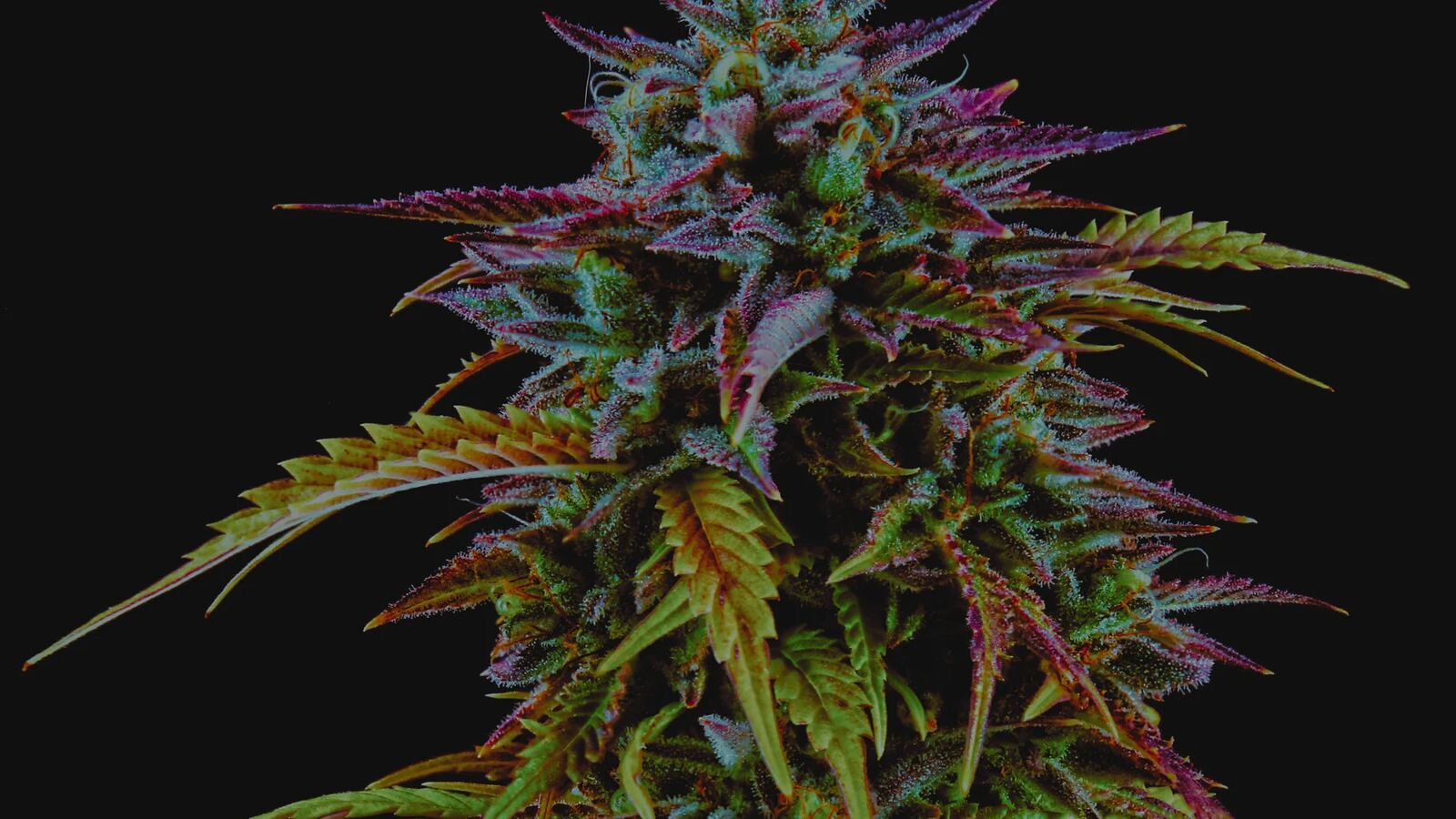
In June 2026, the hlvd.forum community tracker confirmed 62 HLVd-positive strains originating from The Clone Foundry — one of the largest clone nurseries in the United States. For commercial cultivators placing 500-unit clone orders before flowering rooms are even built, this is the kind of information that separates a profitable harvest from a six-figure loss. The thread has over 1,350 replies and is actively updated, making it one of the most significant quality-control events in the cannabis clone market this year. What Happened at The Clone Foundry The Clone Foundry ships clones to cultivators across 10+ states. Their model relies on volume — hundreds of strains, thousands of units per week, shipped nationwide. But as hlvd.forum's Treatment & Recovery tracker documents, 62 strains from their inventory have now been independently confirmed HLVd-positive by growers who tested plants after receiving them. This isn't a lab error or a single bad batch — it's a systemic contamination pattern reported across multiple states, multiple strains, and multiple testing dates throughout 2025-2026. For context: HLVd (Hop Latent Viroid) is the single most economically damaging pathogen in cannabis cultivation. Infected plants show reduced vigor, smaller flowers, lower cannabinoid content, and yield losses of 30-50%. The viroid spreads through tools, hands, water, and plant-to-plant contact. Once it enters a facility, eradication requires a complete teardown — removal of all plant material, deep sterilization of every surface, and restarting from clean stock. The cost for a 500-light commercial facility can easily exceed $150,000 in lost production, labor, and replacement genetics. The Clone Conservatory: 256 Confirmed Cases The Clone Foundry isn't alone. The Clone Conservatory has 256 HLVd-positive strains listed on the same hlvd.forum tracker — more than four times the Foundry's count. The Conservatory's thread has 511 replies and was active as recently as this week. For cultivators, the takeaway is clear: the largest clone nurseries in the country, operating at industrial scale, cannot guarantee pathogen-free stock at their current testing cadence. Why Testing Cadence Matters More Than Testing Claims Nearly every clone nursery claims to test for HLVd. The difference between a marketing claim and actual pathogen security comes down to three questions every cultivator should ask before placing an order: 1. Is every mother plant tested, or just a rotating sample? Spot-checking 10% of mothers means 90% of your order could come from untested stock. The math is simple: if 5% of untested mothers carry HLVd and you're ordering from a nursery with 100+ mothers, your probability of receiving an infected clone is not zero — it's material. 2. What pathogens are tested for? HLVd is the headline, but Fusarium and Pythium can destroy a crop just as thoroughly. A nursery that only runs HLVd PCR and skips fungal and bacterial panels is leaving known threats unmonitored. Ask for the full panel list. 3. What's the testing cadence? A mother plant tested clean six months ago may not be clean today. HLVd can enter through contaminated tools, infected plant material introduced to the facility, or even worker handling. Quarterly testing is the minimum for commercial-scale operations; monthly is standard for facilities that stake their reputation on pathogen-free stock. How Clone Source Tests Differently Clone Source's approach is built around a single principle: every clone that leaves our facility comes from a mother plant that has been molecular-screened and confirmed clean. We don't spot-check. We don't rotate samples. Every mother gets tested — HLVd, Fusarium, Pythium — on a quarterly schedule with documented results. Our tissue culture propagation process adds a second layer of security. Starting from sterile meristem tissue eliminates systemic pathogens that traditional cloning can carry forward. Combined with the IPM protocols in our cultivation facility, this creates a defense-in-depth approach: clean starting material, verified by molecular testing, propagated in a controlled environment, and shipped with documentation. For commercial cultivators, this means you can place a 500-unit order without wondering whether your flowering rooms are about to become an HLVd case study on a forum. For home growers, it means your first grow isn't sabotaged by a pathogen you couldn't see and didn't know to test for. What the 62 Failed Tests Mean for the Industry The hlvd.forum data represents a tipping point. When a community-maintained tracker can document 62+ failed tests from a single nursery, the question isn't whether larger nurseries have HLVd — it's whether they're testing thoroughly enough to catch it before it reaches customers. The economic incentive to ship volume can conflict with the patience required to test every mother and quarantine every suspect batch. Cultivators need to understand that dynamic and factor it into sourcing decisions. The Clone Foundry and Clone Conservatory data also highlights a broader industry problem: HLVd testing is not standardized, not regulated, and not consistently enforced at the nursery level. Third-party verification through community trackers and independent lab results has become the de facto quality assurance system for clone buyers — and right now, that system is telling a story that commercial cultivators cannot afford to ignore. How to Vet Your Clone Source Before placing your next clone order, here's a practical checklist: Request test results for your specific strains. Not a general lab certification — actual PCR results for the mothers your clones will come from, dated within the last 90 days. Check independent forums. hlvd.forum, Overgrow, and THCfarmer all have active threads where growers share testing results. If a nursery's name appears repeatedly in HLVd-positive reports, that's not a coincidence. Ask about IPM protocols. HLVd testing is one piece. Integrated Pest Management — tool sanitation, worker hygiene, environmental controls, incoming plant quarantine — determines whether a clean test result stays clean through propagation and shipping. Look for tissue culture propagation. Meristem tissue culture eliminates systemic pathogens at the starting point. It's not a substitute for testing, but combined with molecular screening it provides the strongest available assurance of pathogen-free stock. Verify breeder provenance. Strains with documented breeder lineage and chain of custody are less likely to have passed through multiple untested facilities. Every transfer point is a contamination risk. The 62 failed tests at The Clone Foundry aren't just a competitor's problem — they're a signal to every cultivator that sourcing decisions now require the same diligence you'd apply to any other critical operational input. Your genetics are the foundation of your production. Building on contaminated stock isn't a risk you need to take. Contact Clone Source at [email protected] for verified test results on any strain in our catalog. Every mother, every quarter, documented and available.
HLVd Testing — Why 62 Failed Tests Should Change Where You Source Clones in 2026
2026-06-29 — Industry