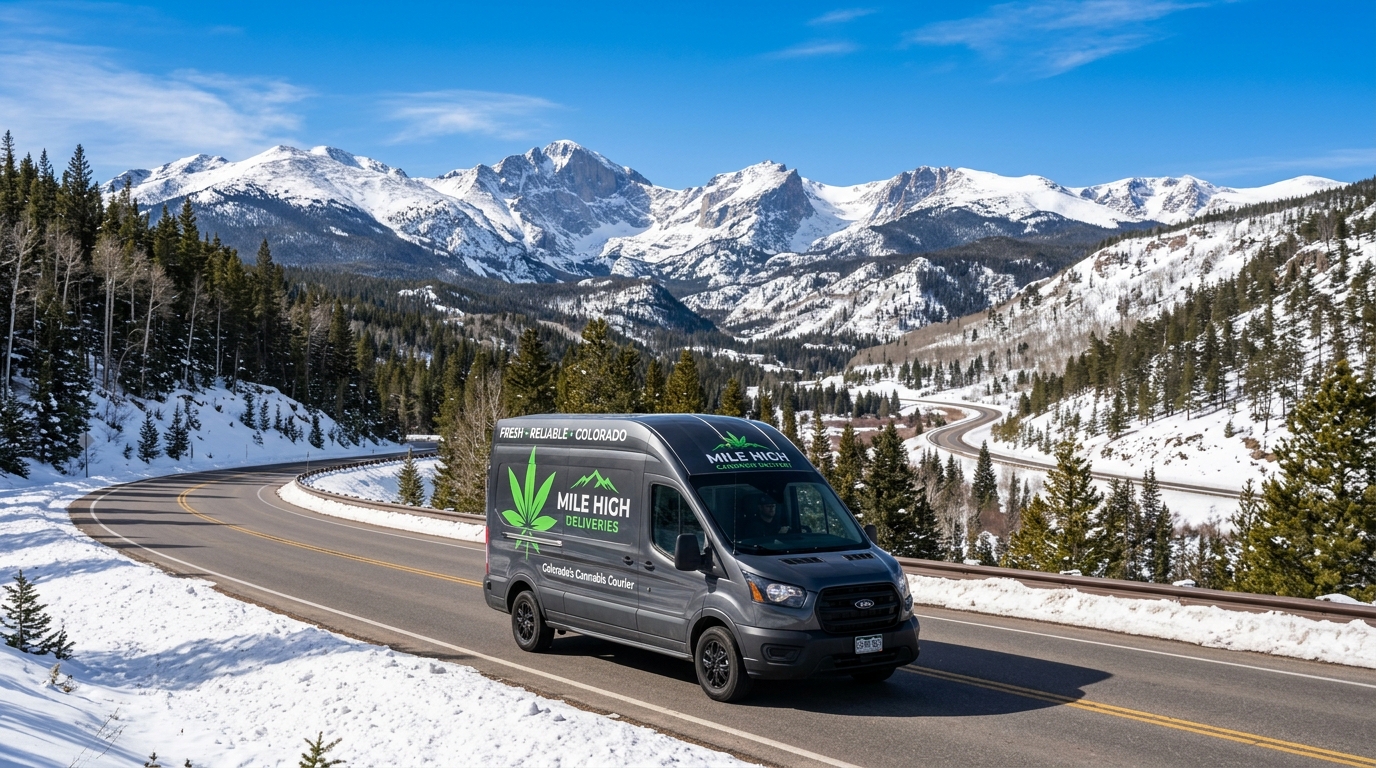
Cannabis delivery in Colorado has followed a complex path from prohibition to limited legalization. In 2019, Colorado became one of the first states to authorize cannabis delivery when Governor Jared Polis signed HB19-1234, which allowed licensed medical marijuana dispensaries to deliver to patients. The law expanded in 2021 with HB21-1090, permitting adult-use delivery as well. However, implementation has been slow and uneven, with local municipalities retaining the right to opt out of delivery programs — and many have done so. As of 2026, cannabis delivery is operational in several Colorado municipalities, including Denver (which launched its social equity delivery program in 2021), Aurora, Boulder, and a handful of smaller jurisdictions. The delivery licenses are structured with a strong social equity component: for the first three years of the program (through 2024 for medical, 2026 for adult-use), delivery licenses were exclusively available to social equity applicants — individuals from communities disproportionately impacted by cannabis prohibition. This was expanded through 2027 for certain license types, reflecting Colorado's commitment to ensuring that legalization benefits flow to the communities most harmed by the War on Drugs. The delivery model in Colorado differs from the on-demand gig-economy approach familiar from food delivery apps like DoorDash or Uber Eats. Cannabis delivery requires licensed transport vehicles with GPS tracking, manifests documenting every product, and secure storage compartments. Drivers must be employees of the licensed business, not independent contractors. Deliveries can only be made to residential addresses, not businesses or public spaces, and recipients must present valid ID proving they're 21 or older. These regulations prioritize security and compliance over speed and convenience — a cannabis delivery in Colorado typically takes 1-2 days from order to delivery, not 30-45 minutes. For consumers, the availability of delivery depends entirely on their municipality. Someone living in Denver has multiple delivery options. Someone in Colorado Springs — which has opted out of both medical and adult-use delivery — has none. This patchwork of local regulations creates a confusing consumer experience, with delivery availability changing across city and county lines. The Colorado Department of Revenue's Marijuana Enforcement Division maintains an up-to-date list of jurisdictions that permit delivery, but consumers often find it easier to check individual dispensary websites for delivery radius maps. The market impact of delivery has been significant but not transformative. Delivery accounts for roughly 8-12% of total cannabis sales in jurisdictions where it's available, according to Colorado MED data from Q4 2025. It hasn't displaced in-store retail — most consumers still prefer to see and smell products before buying, especially flower. But delivery has expanded access for medical patients with mobility limitations, consumers without reliable transportation, and those who simply prefer the convenience. As more municipalities opt in and delivery infrastructure matures, expect delivery to become a standard channel alongside in-store pickup, much like it has in the alcohol industry. For Clone Source customers in Colorado, delivery is relevant as an additional fulfillment channel for clone orders. While our genetics ship nationwide, local pickup and delivery in the Denver metro area offers faster turnaround and eliminates shipping stress on the plants. As Colorado's delivery infrastructure matures, look for Clone Source to explore delivery options for local customers — getting clean genetics into growers' hands faster is always the goal.
Is Cannabis Delivery Available in Your Colorado Neighborhood
2026-07-08 — Regulation