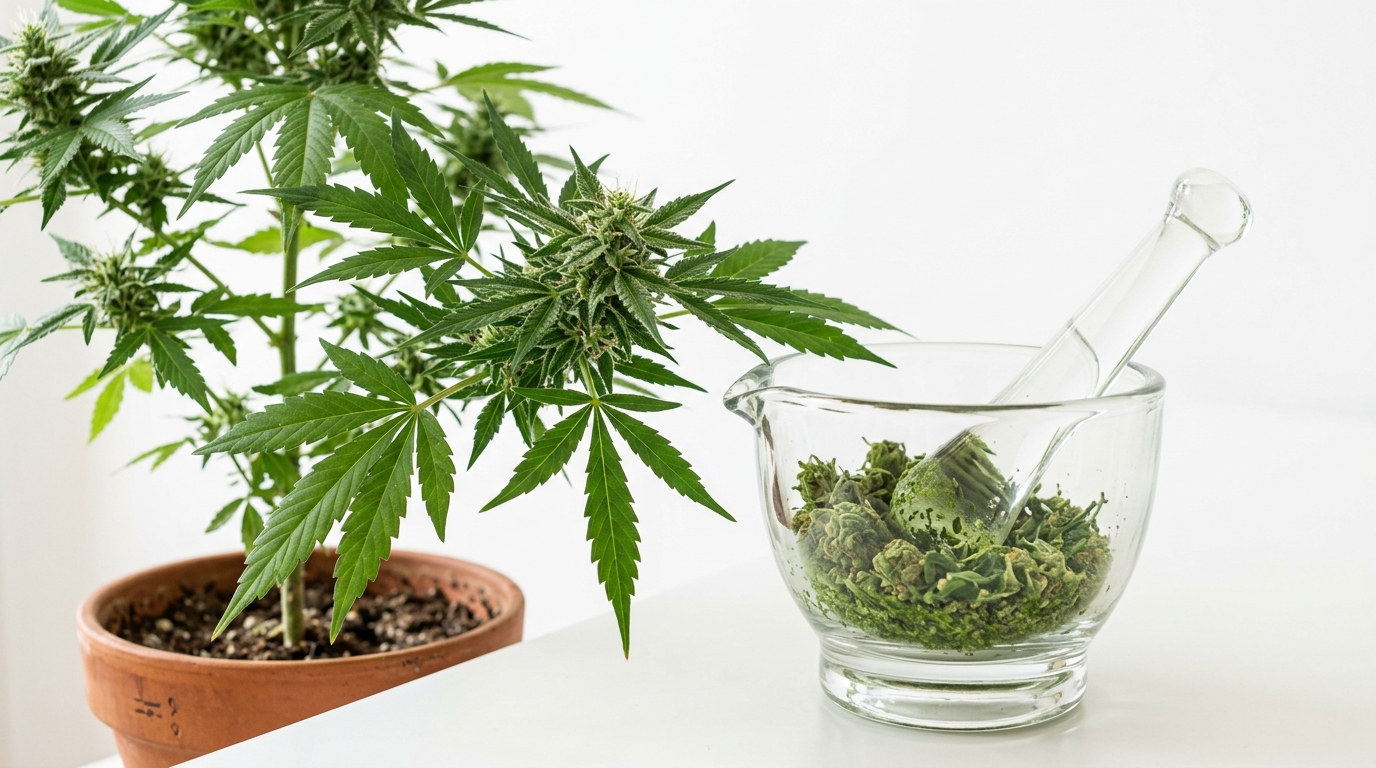
The medicinal use of cannabis dates back thousands of years, with records from ancient China, India, and Egypt documenting its applications for pain, inflammation, and neurological conditions. What was once folk medicine has now become a rigorous field of scientific inquiry, driven by the discovery of the endocannabinoid system (ECS) in the 1990s — a watershed moment that fundamentally changed how we understand human physiology. The ECS is a cell-signaling network found throughout the body that regulates sleep, mood, appetite, memory, inflammation, and immune response. It consists of three core components: endocannabinoids (molecules your body produces naturally), cannabinoid receptors (CB1 in the central nervous system, CB2 in peripheral tissues and immune cells), and metabolic enzymes that break them down. This system explains why cannabis has such broad therapeutic effects — it directly engages a regulatory network that touches nearly every organ. Beyond THC and CBD: The Entourage Effect. Most people know about THC (the psychoactive compound) and CBD (the non-psychoactive compound), but cannabis contains over 140 cannabinoids and more than 200 terpenes. The reality is that whole-plant cannabis often outperforms isolated compounds — a phenomenon called the entourage effect, where cannabinoids and terpenes work synergistically. For example, the terpene myrcene enhances THC's ability to cross the blood-brain barrier, while linalool amplifies CBD's anxiolytic (anti-anxiety) effects. Current FDA-approved cannabinoid medications demonstrate the pharmaceutical potential: Epidiolex (purified CBD) treats severe childhood epilepsy syndromes like Dravet and Lennox-Gastaut; Marinol and Syndros (synthetic THC) address chemotherapy-induced nausea; and Cesamet (nabilone, a synthetic cannabinoid) targets nausea and neuropathic pain. But these single-molecule approaches miss the entourage effect that makes whole-plant medicine so effective for many patients. The clinical evidence for cannabis as medicine continues to grow. A 2017 National Academies of Sciences, Engineering, and Medicine comprehensive review found conclusive evidence that cannabis is effective for chronic pain, chemotherapy-induced nausea, and multiple sclerosis spasticity. Moderate evidence supports its use for sleep disorders, fibromyalgia, and post-traumatic stress disorder. A 2021 meta-analysis in JAMA Network Open found that cannabinoids produced a 30% or greater reduction in chronic pain for nearly twice as many patients as placebo. Medical cannabis programs now exist in 38 states plus Washington D.C., covering conditions from cancer and epilepsy to PTSD and opioid use disorder. This widespread adoption reflects a fundamental shift in how both the medical community and the public view cannabis — not as a recreational drug first, but as a legitimate therapeutic tool with a well-characterized mechanism of action. The discovery of the endocannabinoid system gave cannabis medicine a biological framework. The growing body of clinical data is now filling in the details. For cultivators, the medical cannabis market demands a level of rigor that recreational markets often don't. Patients relying on cannabis for seizure control or chemotherapy side effects need consistency — the same chemotype, cannabinoid profile, and terpene expression every time. This is where tissue culture propagation becomes essential. At Clone Source, our verified genetics program ensures that every clone is genetically identical to the mother plant, giving medical growers the batch-to-batch consistency their patients depend on. Whether you're growing a high-CBD strain like Charlotte's Web for a pediatric epilepsy patient or a balanced THC:CBD cultivar for chronic pain management, genetic consistency is not optional — it's medical necessity.
Cannabis as Medicine
2026-07-08 — Industry